
Dear Friend,
If there is one lesson I’ve learned in over a decade of blogging and building online businesses, it is this: “Things will not happen on their own—we have to make them happen!”
You can write the most beautifully crafted, helpful article in the world. But if nobody is searching for the topic, or if you are competing against massive multi-million-dollar publishing empires for broad search terms, your post will simply sit on page 10 of Google collecting dust.
That is why mastering Keyword Research is the single most important skill you can learn as an online entrepreneur.
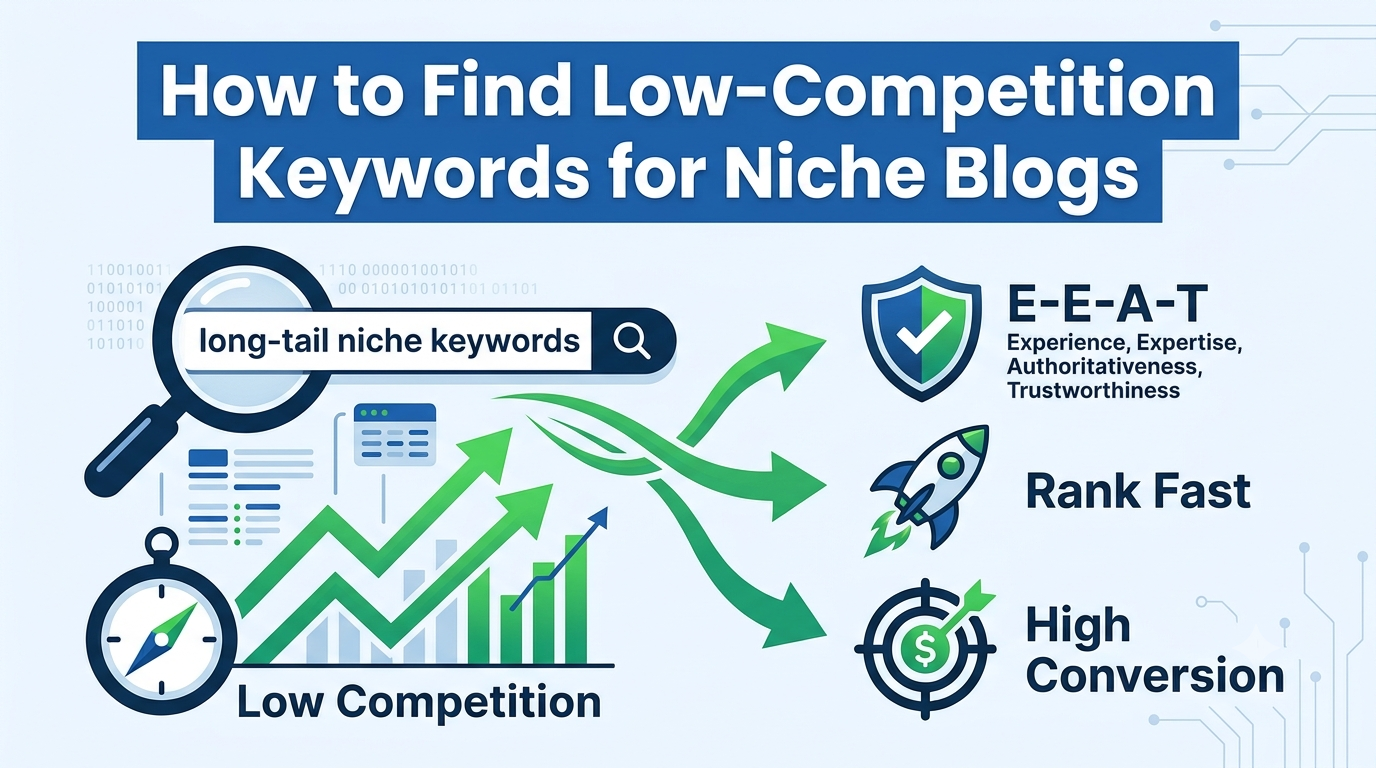
In this updated 2026 guide, I’m going to break down what keywords really are, how to use low-competition long-tail keywords to steal search traffic from larger competitors, how to avoid costly search engine penalties, and the exact keyword research workflow I use to drive targeted buyers to my website.
What Is a Keyword (and How Do Search Engines Use It)?
In plain English, a keyword (or keyphrase) is the exact word or group of words that a person types into Google, Bing, or Yahoo when they are looking for an answer, a product, or a solution.
When a user hits “Search”, Google’s algorithm scans billions of indexed webpages to find content that best answers that user’s specific search intent.
-
If your webpage contains content that directly matches what the user is looking for—and communicates it clearly—Google rewards you with higher rankings.
-
Higher rankings mean more clicks.
-
More clicks mean more readers, subscribers, and affiliate commissions!
Broad Keywords vs. Long-Tail Keywords: The Secret to Fast Rankings
To succeed in SEO today, you must understand the difference between two fundamental types of keywords: Broad Keywords and Long-Tail Keywords.
[Broad Keyword] —> “Laptop” (Millions of searches, Impossible Competition)
│
▼
[Long-Tail Keyword] —> “Best Apple laptops for video editing under $1500” (Specific Intent, High Conversion)
1. Broad Keywords (High Competition, Low Conversion)
These are short, generic 1- or 2-word terms.
-
Example:
LaptoporAffiliate Marketing -
The Problem: Broad keywords get hundreds of thousands of searches a month, but the competition is brutal. You are competing against giant sites like Amazon, Best Buy, or Wikipedia. Worse yet, you don’t know what the searcher actually wants. Are they looking to buy a laptop, repair a broken screen, or just look at photos?
2. Long-Tail Keywords (Low Competition, High Conversion)
These are longer, highly specific phrases (usually 3 to 6+ words) that searchers use when they know exactly what they want.
-
Example:
Best lightweight laptops for college students under $800orIs Wealthy Affiliate good for complete beginners -
The Advantage: Long-tail keywords have lower monthly search volume individually, but less competition and massively higher conversion rates. People typing long-tail phrases are usually sitting with their credit cards in hand, ready to take action!
💡 Paul’s Golden Rule of Keyword Research:
Always target keywords with High Search Intent + Low Competition (QSR). It is far better to get 100 targeted visitors a month from a low-competition term you rank #1 for, than 0 visitors from a broad term where you are buried on page 8!
The “5 Ws” Formula: How to Think Like Your Customer
Before opening any keyword tool, put yourself directly in your reader’s shoes. Ask yourself the 5 Ws:
-
Why are they searching for this topic right now? (Are they frustrated, confused, or ready to buy?)
-
What specific problem or hurdle are they trying to overcome?
-
When do they need a solution? (Immediate step-by-step fix vs. general research?)
-
Where are they getting stuck in their journey?
-
Whom do they trust for advice? (Real people sharing personal experience vs. generic corporate sites?)

The 3-Step Content Structure That Converts:
-
Step 1 – Address the Problem: Show empathy. Let them know you understand their pain point because you’ve been there yourself.
-
Step 2 – Provide the Solution: Give honest, actionable guidelines without holding back the good stuff.
-
Step 3 – Call to Action (CTA): Clearly guide them to the logical next step—whether that’s signing up for a recommended tool, reading a related guide, or leaving a comment.
Warning: The Danger of Keyword Stuffing
When beginners first discover keywords, they often make a critical mistake: they try to cram their main keyword into every single sentence. This is called Keyword Stuffing, and it was popular back in 2005.
Today, search engines like Google use advanced natural language processing (NLP). If Google detects that your text sounds robotic or forced due to artificial keyword repetition, your site will be penalized or de-indexed entirely.
❌ WRONG (Keyword Stuffing):
“If you want the best cheap laptop, our best cheap laptop guide shows you the best cheap laptop options for 2026.”
✅ RIGHT (Natural E-E-A-T Writing):
“Finding an affordable computer doesn’t mean sacrificing performance. Here are our top budget-friendly laptops tested for speed and durability.”
Write for human beings first, and let keywords flow naturally into your headings, introductory paragraphs, and subheaders. Value always beats density!
Free & Low-Cost Keyword Tools Every Blogger Should Know
You don’t need to spend $100+ a month on complex enterprise SEO tools when you are starting out. Here are the best keyword research tools available:
-
Google Search Auto-Suggest & “People Also Ask”: Type your main topic into Google search bar and see what auto-fills. Scroll down to the “People Also Ask” box to find exact questions real users are typing.
-
Google Keyword Planner: Free tool inside Google Ads that gives search volume estimates and related keyword suggestions.
-
Jaaxy Keyword Research Tool: My absolute favorite keyword tool for niche bloggers. It gives you the exact QSR (Quoted Search Results)—telling you precisely how many competing websites are targeting that exact phrase on Google! This is updated and included within the platform and more advanced tools are provided like ACE.

Keyword Strategy Comparison
-
1. Broad Keywords
-
Example: “Make Money Online“
-
Search Volume: Very High
-
Competition Level: Extremely High
-
Conversion Rate: Very Low
-
Ideal Strategy: Avoid as a main target for blog posts (too competitive for individual articles).
-
-
2. Medium-Tail Keywords
-
Example: “Affiliate Marketing for Beginners”
-
Search Volume: Moderate
-
Competition Level: High
-
Conversion Rate: Medium
-
Ideal Strategy: Great for long-term category hub pages or main guide topics.
-
-
3. Long-Tail Keywords (Recommended)
-
Example: “How to start affiliate marketing with no money in 2026”
-
Search Volume: Low to Moderate
-
Competition Level: Very Low
-
Conversion Rate: Very High
-
Ideal Strategy: Your primary focus for blog posts and reviews (easiest way to rank fast).
-
Take the Guesswork Out of Keyword Research & SEO
Learning keyword research on your own involves plenty of trial and error. But what if you had access to step-by-step training, real-time keyword research tools, and expert mentors walking you through every step?
That is exactly what you get inside Wealthy Affiliate.
When you join Wealthy Affiliate, you get:
-
Jaaxy Keyword Tool Built-in: Instantly find hundreds of low-competition, high-converting long-tail keywords in any niche. This is updated and included within the platform and more advanced tools are provided like ACE.
-
Comprehensive SEO & Content Classes: Learn how to structure your posts so Google indexes and ranks them quickly.
-
SiteBuilder & Enterprise Hosting: Deploy clean, fast WordPress sites optimized for search performance.
-
24/7 Entrepreneur Community: Ask questions, get feedback on your posts, and learn alongside thousands of active bloggers.
Stop guessing which keywords will rank.
Click Here to Test-Drive My #1 Recommended Platform and Access Free Keyword Tools Today!
My Earnings
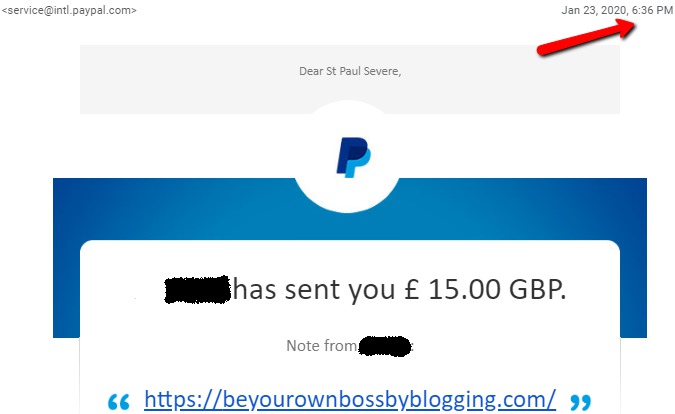
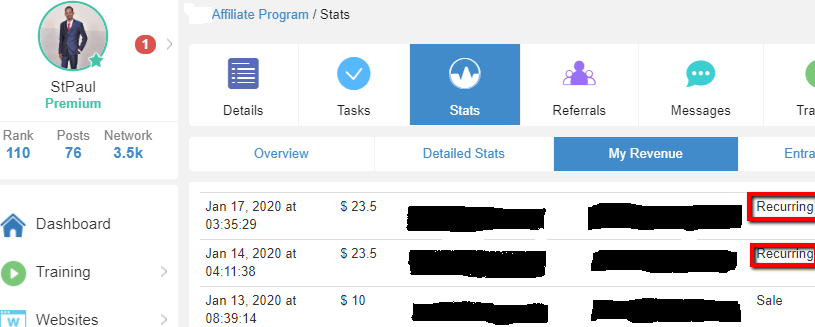
Often people ask me is it really possible to earn $100+ in a single day. The answer is YES! My Highest Per Day Earning is $175 In Affiliate Marketing. See the proofs below.
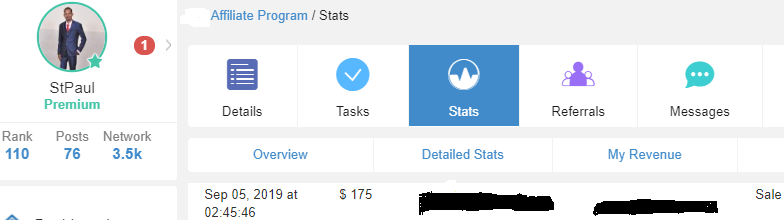
Looking for the latest one?
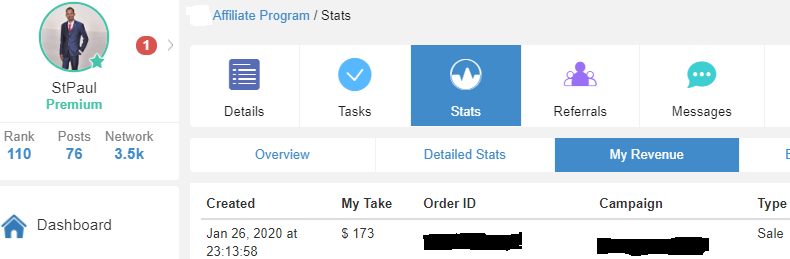
Back To Back Earnings Within A Few Hours…
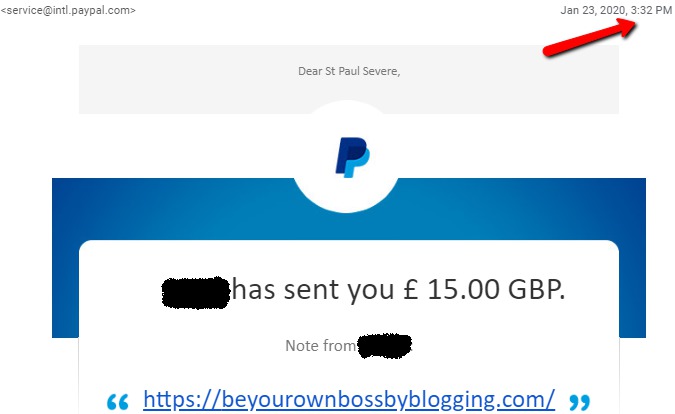
Within a few hours another payout…
What about recurring income every month?

Ready to Turn Your Passion Into a Real Business Asset?
If you are tired of guesswork and want to build a real affiliate marketing business step-by-step, I encourage you to take a structured approach.
You don’t have to risk thousands of dollars to get started. You can test-drive a complete business-building platform without even pulling out a credit card:
-
Click Here to Test-Drive Wealthy Affiliate for Free Today (Get instant access to Level 1 Core Training, 1 Free Website Hub, and 24/7 Community Support)
Final Thoughts & Let’s Connect!
Mastering keywords isn’t about outsmarting search engine algorithms—it’s about understanding human intent and providing the absolute best solution available on the web.
What keyword research strategy or tool are you currently using for your blog? Are you targeting long-tail phrases yet? Leave a comment below—I read and reply to every single message personally!
To your online success,
Paul
This article’s content is really unique and amazing. Please keep sharing…
Thanks a lot!
articles like this that I’m looking for and very interesting to discuss, thank you
Thanks For Sharing this Information!
Thanks for stopping by and much Success!
Nice info, thanks for sharing this blog.
Thanks a lot and much success!
Very nice informational post about keywords. Thanks for sharing
Thanks a lot for your motivating comment!
Very Informative! Great Article
Thanks a lot!
Thanks For Sharing this Information!
Thanks for stopping by!
Thanks for sharing this useful information. keep posting
Thanks! Sure I will!
very nice, Thanks for sharing the most important information I am so glad to visit this blog.
Thanks for your time and encouragement.
A very good post thanks for sharing!
Thanks a lot!
Thanks For Sharing this Information!!
Thanks a lot for stopping by!
Thanks for sharing a great post.
Thanks a lot!
Right Keyword get the nice traffic for your site.
Exactly, if we are depending on organic traffic keyword research plays a vital role to drive free traffic.
Paul
We are use only google keyword planner for keyword research
That’s great to hear and thanks for sharing.
Paul
Such a valuable and informative post. Thanks for being sharing!
Keep doing.
Dear Thomas,
Really happy to hear you found some helpful information from my post, surely will deliver the best I can.
Paul
Thanks for sharing this information. I like your blog post very much.
always so interesting to visit your site.What a great info, You have shared an informative thanks
Dear Jerry,
I am glad to hear you liked my website and thanks for visiting it again! Much success!
Your Friend,
Paul
Thanks for shareing it very nice ..
Dear Jerry,
Thanks for sharing and all the best!
Your Friend,
Paul
Thanks a lot for the Great Blog with full of knowledge
Dear Vikas,
I am really happy to hear you got some helpful insights.
Paul
I can sure vouch for Jaaxy being the best keyword tool available. Great post Paul on the importance of keywords!
Dear Craig,
Yes Jaaxy is awesome and I am using Jaaxy for all my keyword researches, it’s yielding great results!
Paul
Hi and thank you for a great article. I really just love your blog. I will bookmark it and come back for more.
Dear Victor Ross,
Its a great pleasure when I hear people saying my article helped them.
Paul
A Very useful blog you shared with us, for keyword research and it’s all tools.I’m satisfied that you just shared this helpful information with us.Thanks for share with us an important article.
Dear Friend,
Thanks for your appreciation. In order to bring the organic traffic we need to know about the keyword research and the benefits of the keyword tool. If you are going to write quality content consistently and focusing on the rich keywords it will help you to grow your traffic.
Keep learning and earning,
Paul
Great and really helpful article!
Dear Friend,
If you are looking for organic traffic you need to pay utmost importance to keywords.
Great source of information you provide here about keyword importance and free keyword tool.Thanks for en-lighting us with your knowledge, it is helpful for many of us.
Dear Smith,
To be honest with you the information what I have provided is just the basics and there is a lot of things we need to learn when it comes to keywords. Learning about keywords and search engine optimization (SEO) plays a vital role in order to generate organic traffic to our site. Organic traffic is the traffic generated by search engines. So we need to keep learning in order to succeed.
Paul
Thank you for sharing this free keyword tool and it’s importance.i’m newbies in seo field.so it very important for me.
I learn from your article..
Keep going..!!!!!!!!!!!
Dear Navnit Verma,
The real pleasure is in helping others.
Remarkable article about keyword tool and importance.I bookmarked this page and will share it with others.Look forward to reading more .
Dear Patel,
Keywords plays an important role in driving free traffic. Mainly for those on budget and can’t afford paid traffic keyword research is the secret for the success!